The Test Tube
A safe space to learn, try new things, experiment, and connect with the world around us.


DEI is a Practice, Not a Program
Diversity, equity, and inclusion (DEI) is about creating environments where everyone can thrive. Sustainable DEI requires more than activities or programs. It requires practice! Ongoing learning, reflection, relationships, critical thinking, and action that shapes the people and systems within an organization.
You Have the Table of Diversity. Now What? Navigating the Distance!
The Table of Diversity Toolkit provides the structure, guidance, and resources facilitators need to put the Table of Diversity to work before, during, and beyond workplace training.

What “Bus Ride To Justice” Taught Me About Systemic Change
Fred Gray’s book, Bus Ride to Justice, changed how I understand the Montgomery Bus Boycott and what it takes to create systemic change. The boycott mattered, but the story was much bigger than the protest itself.
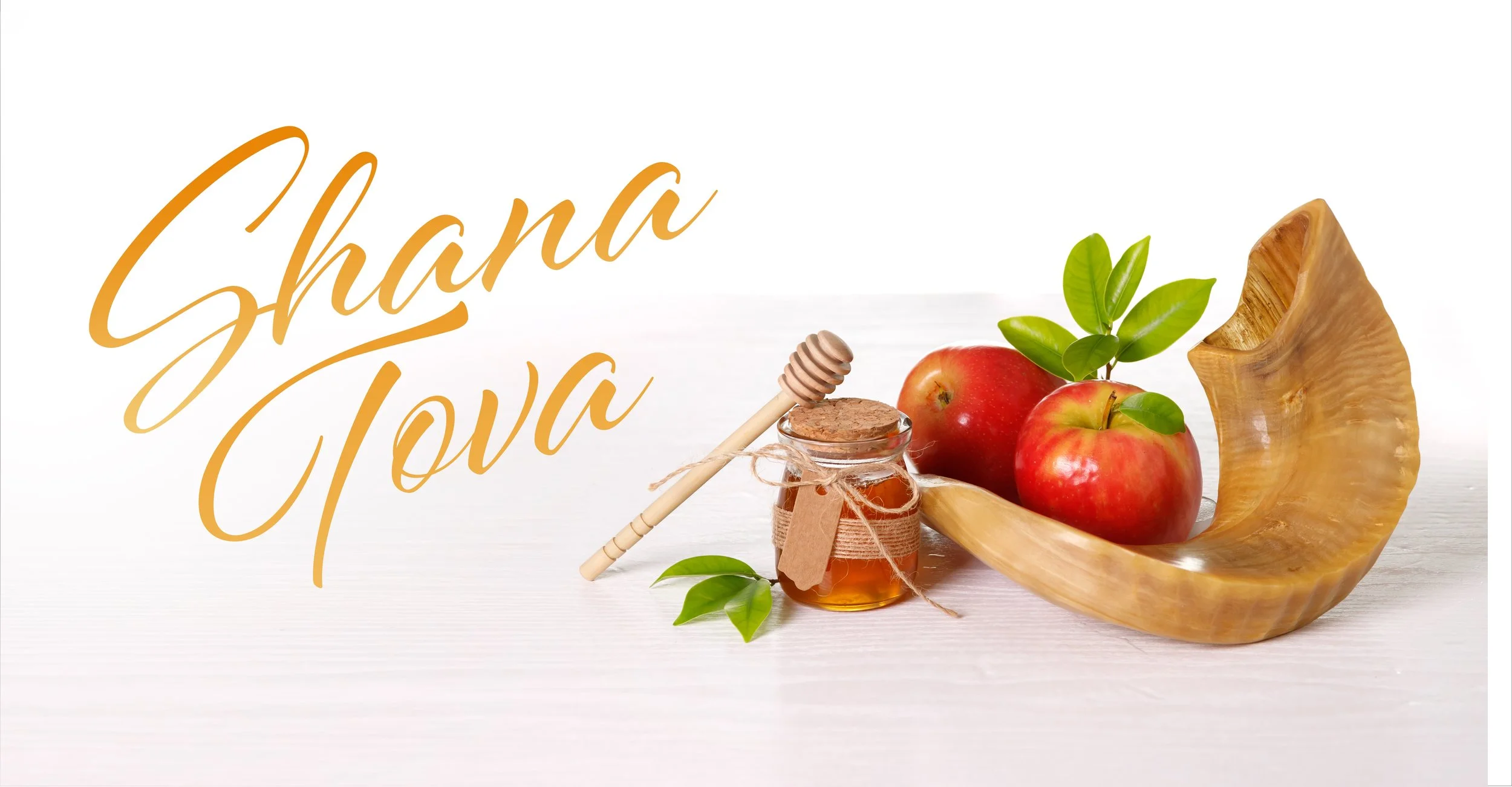
Table of Diversity Weekly: Rosh Hashanah + Hispanic Heritage Month
The Table of Diversity Weekly is a roundup of our latest and greatest resources, activities, prompts, and challenges to deepen understanding. This week’s roundup focuses on Rosh Hashanah and a key skill for practicing DEI at work, home, and school.

Why Chemistry is the Perfect Analogy for Identity
What does chemistry have to do with DEI?
More than you might think.
When I created the Table of Diversity in 2015, I wasn’t trying to turn DEI into a chemistry lesson. I was looking for a familiar way to help people understand something that affects every one of us: identity.
Most of us recognize the periodic table. We learned some chemistry in school, and we use chemistry every day—even if we don't remember much of what we learned. We understand concepts like elements, compounds, pressure, energy, stability, and catalysts. We may even use that language to describe our lives and workplaces.
So I started asking: What if we applied that way of thinking to identity?
That question became the foundation for the Table of Diversity and Identity Chemistry—a science-based approach to understanding identity, environments, relationships, systems, and change.
In this article, I share why chemistry became such an important part of my work, how familiar scientific concepts can give us a new way to think about DEI, and why I believe practicing DEI can include something we don't talk about nearly enough: curiosity, experimentation, discovery, and joy.

Books We Love 📖
Books We Love! The Far Away Brothers: Two Teenage Immigrants Making a Life in America by Lauren Markham
What Does it Mean to “Create an Environment Where Everyone Thrives”?
Creating an environment where everyone thrives starts with understanding what thriving actually means and recognizing that everyone has a role in creating the conditions that make it possible.
Rosh Hashanah + Table of Diversity —>
In this edition of The Test Tube, we explore Rosh Hashanah, the Jewish holiday filled with traditions and meaningful practices. Learn more about these traditions, food, sounds, and more so you can be inclusive of team members, students, neighbors, friends, and more during this time.

Building and Maintaining a Shared Language + Abandoning Language —>
Every person practicing DEI eventually runs into the same wall: you’re using the same words as others, but you’re not speaking the same language.
I recently saw a social media post where a person was asking for advice on the phrase ‘assume positive intent’ and whether it has run its course. ‘Assume positive intent’ is usually a ground rule, invitation, or an agreed upon boundary, groups create for themselves as they practice DEI.
The argument was that ‘assume positive intent’ creates a blanket excuse for people to be harmful without accountability and this gives more weight to the intent, instead of the impact. They wondered if the phrase should be abandoned all together for something else. (Scroll down to see the one solution that was presented that I think is great!)
This is the problem a shared language is supposed to solve and it does. But if a shared language isn’t maintained, it is easy to say the thing and mean something totally different. As the original poster shared more of their thoughts on ‘assume positive intent’ I realized that we had two very different working definitions of that phrase.
I’m very intentional when I use ‘assume positive intent.’ Usually, I’m in groups where we have built trust with one another and the goal is to deepen our understanding and work towards a common goal. Assume positive intent has always meant that we give ourselves and others grace in this space of learning and unlearning, so long as everyone is genuinely on this journey together. No ‘I want to play devil’s advocate’ or ‘it hasn’t happened to me so it can’t be real.’
To me, every word or phrase is applicable to an extent and I tend to make clear where that boundary is so everyone has a shared understanding.
Here’s how the Table of Diversity approaches all three:
Step 1: Build a shared language and understanding on purpose.
Building a shared language is easy, host a training, include it in a survey, put it in an initiative. Now, everyone is using it in their corner of the world. Before you use the latest trending word or phrase, ask yourself these three questions to be more purposeful in the words you use in your day-to-day vocabulary.
Practicing Curiosity: Lived Experience + Research
A summer of curiosity led to many discoveries for me and the kids. Explore 3 ways you can incorporate curiosity into your daily lives and check out some of the ways I stay curious! Plus, the 5 dimensions of curiosity and how they show up in DEI work!
Guided Monthly Practice for Curious Grown-Ups: Hair
We spend a lot of energy managing our hair and almost none reflecting on what it actually means to us, or to anyone else. This month's topic is hair, and it's a good one to sit with, because it shows up everywhere: in the mirror, in the workplace, in the assumptions we make about each other without ever saying them out loud.
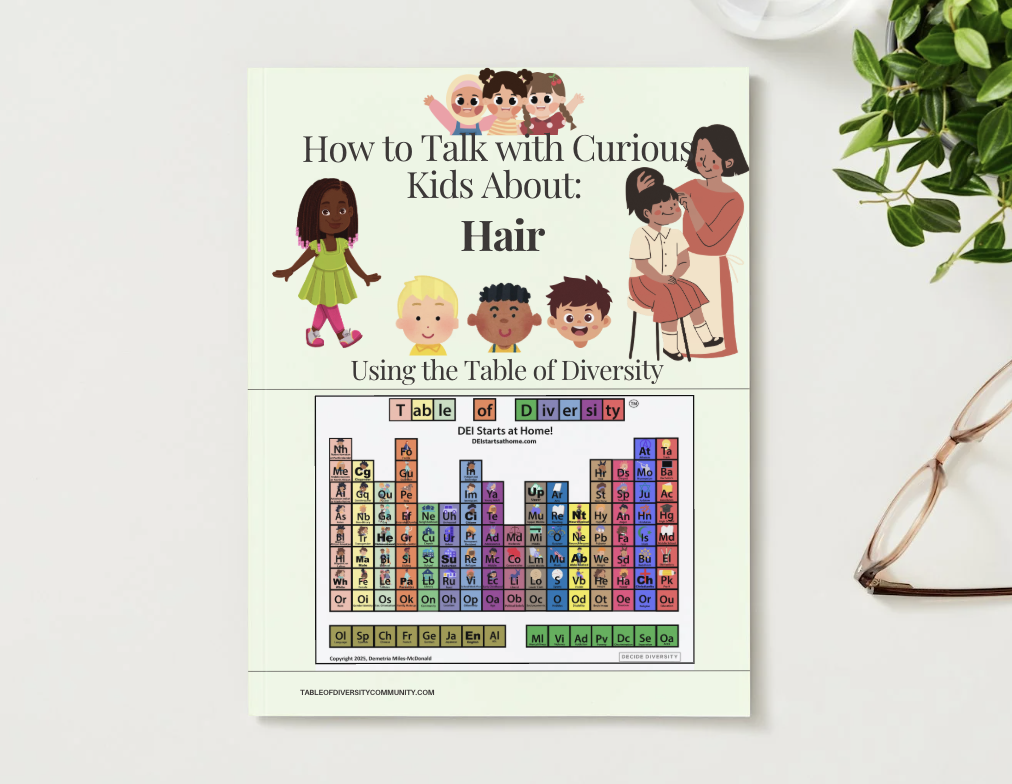
How To Talk With Curious Kids About: Hair!
Back-to-school season means new classrooms, new faces, and kids noticing everything, including hair. Theirs. Their friends'. All the different textures, colors, and styles suddenly sitting next to each other in one room. This month's Practice Guide is here to help you meet that curiosity well.
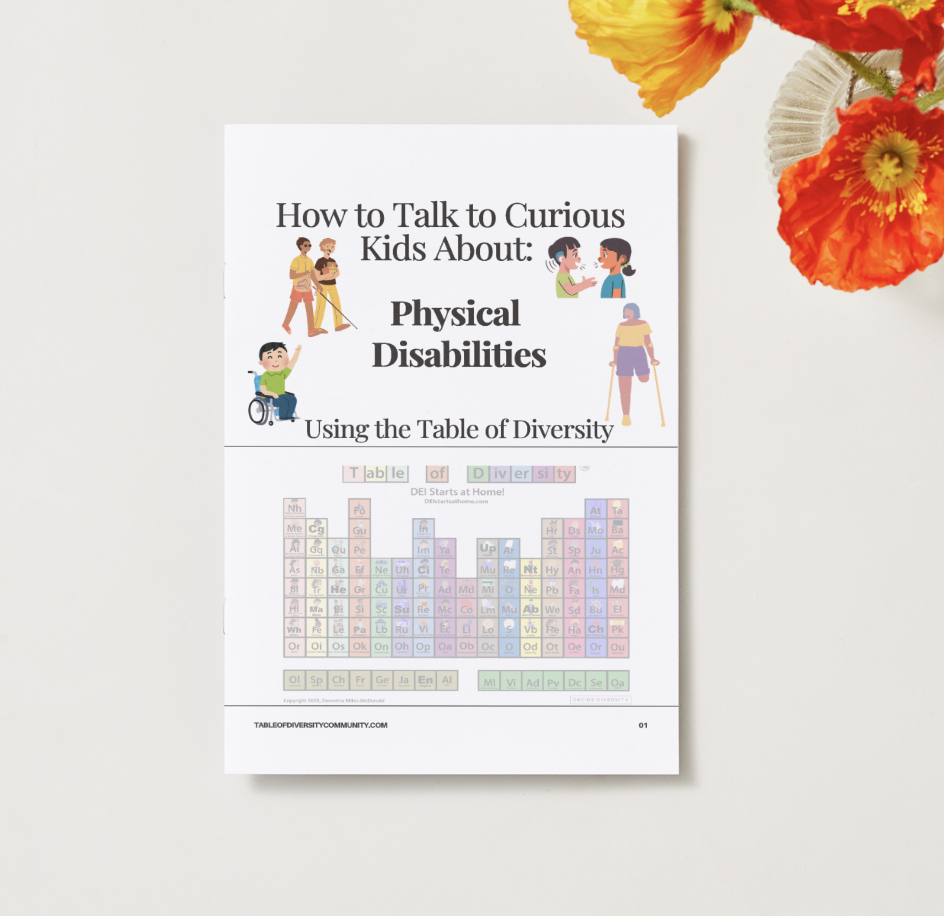
How to Talk to Curious Kids About: Physical Disabilities
Teach your kids about physical disabilities with confidence. How to Talk to Curious Kids About: Physical Disabilities is a printed family conversation guide rooted in the Table of Diversity™ and delivered straight to your door. Includes conversation starters, activities, learning resources, and a commit to action challenge — designed for kids, teens, and young adults. Anchored by the story of disability rights activist Judith Heumann.

Diversity, equity, and inclusion (DEI) is about creating environments where everyone can thrive. Sustainable DEI requires more than activities or programs. It requires practice! Ongoing learning, reflection, relationships, critical thinking, and action that shapes the people and systems within an organization.